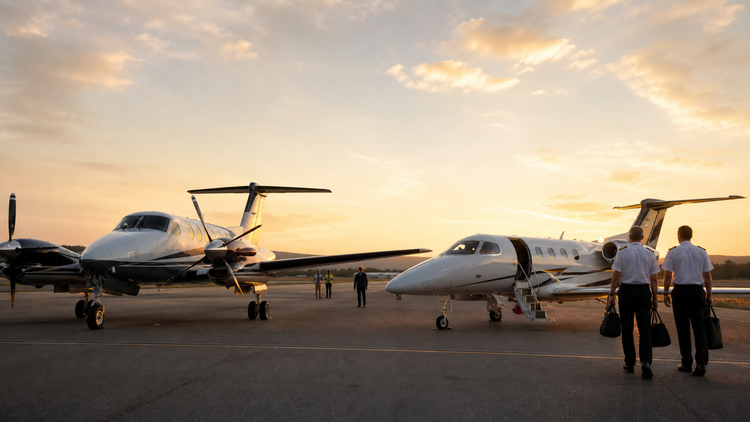
Dev Notes: HUBs, company sizes and operation areas

Release ETA: August 19, 2026 - 12:30 UTC
Companies
We released Companies a year and a half ago. Back then we had no more than 5 simultaneous flights, just a few pilots flying and a really small community. Today we have more than 10x more players flying every day and over 4k pilots registered, and we need to start changing companies to match our new player base and keep the economy healthy for the next couple of years.
The way companies work on Pilops today is basically leasing planes with shared profits, and that bothers me.
Of course, this is not your fault. We need to give you better tools, so a company feels like something more than a bunch of planes waiting for you. That's where we're going from now on.
I also need to say: we have a lot more company features planned for the next releases. This one is the foundation.
It's also important that everyone knows about these changes before they happen, because your operation could end up paused until you sort it out. So think of this document as a guide.
HUBs: The new company air space
We're adding the concept of HUBs. A HUB is your company's operation centre, and everything inside a company is now attached to one.
The idea is to give real weight to where you put your hangars, where you buy or rent your planes, and where you create your routes.
Your first HUB is free, and it comes with a free Small hangar already built inside it. You don't pay anything to enter the new system.
You can put your first HUB on any airport in the world. That decision is the one that matters most, because it defines where your company lives from that point on.
The next HUBs are different: they have to land inside the operation area you already have, so your company grows by expanding outwards, not by teleporting to another continent. The only exception is the biggest company size, and I'll get to that in a second. Each HUB holds up to 4 hangars.
Operation Area
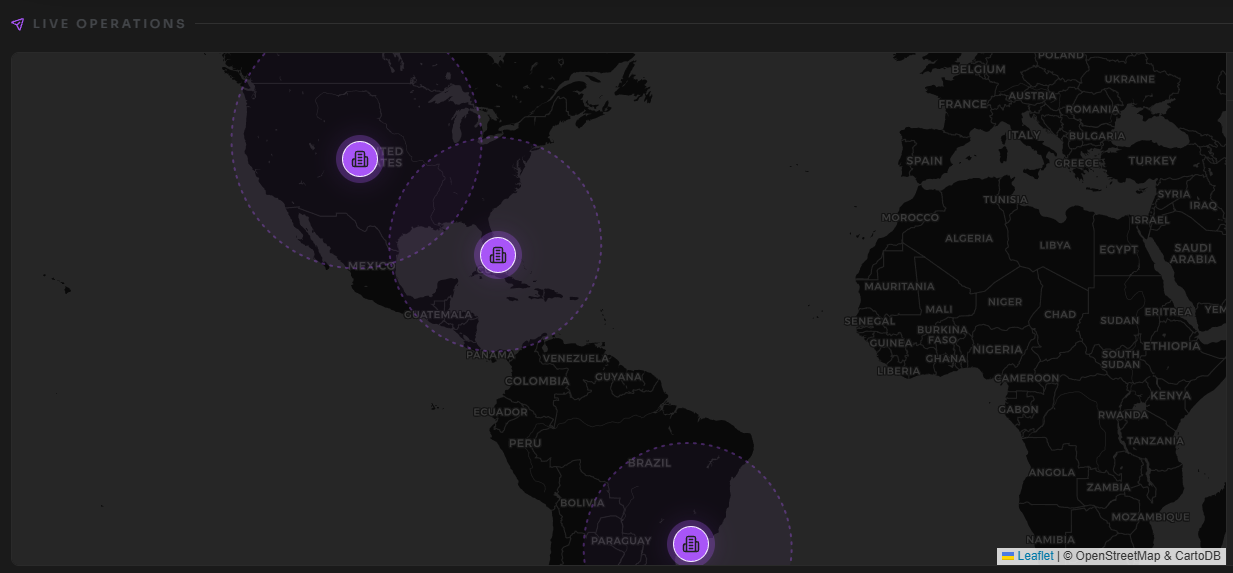
Every HUB draws a circle around itself, and that circle is your operation area. This is the part I'm most excited about, because it's the first time a company in Pilops has a territory instead of just a balance.
Inside your area is where your company lives. That's where you buy and rent your planes, build your hangars, rent your stands, plan your routes and pick up your cargo. Everything your company does happens on your own map.
If you have more than one HUB, the areas add up. It's the sum of your circles, not the part where they overlap, so a plane parked inside any one of your HUBs is at home even if it's nowhere near the others. Two HUBs far apart give you two separate regions to work, and that's when a company starts to feel like a real operation.
Pick an airport outside your area and Pilops tells you right away, before you spend anything, instead of letting you build something your company can't actually run. Those airports still show up when you search, marked and listed after the ones in reach, so you always know exactly where your border is and what's waiting on the other side of it.
And that's the point of the whole thing. When your reach has an edge, choosing a route becomes a decision, expanding becomes a goal, and growing your company finally means opening the map instead of only buying a bigger plane. Your operation area is the first thing you'll want to make bigger, and now there's a way to do it.
How wide that circle goes depends on your company size, and that's the next section.
One note: this is a company thing only. If you fly on your personal account, nothing here applies to you. No circles, no borders, fly wherever you want.
Company size
Companies now have a size: REGIONAL, NATIONAL or INTERNATIONAL. Every company starts REGIONAL.
Size decides three things at the same time: how far your operation area reaches, how many HUBs you can hold, and which planes you're allowed to fly.
| Size | Operation radius | HUBs | Planes |
|---|---|---|---|
| REGIONAL | 400 NM | 1 | Propellers, Turboprops |
| NATIONAL | 1,000 NM | 3 | + Jets, Airliners |
| INTERNATIONAL | 1,000 NM | 10 | + Jets, Airliners |
Growing up costs money and flights. NATIONAL asks for 30 completed flights, INTERNATIONAL asks for 100 completed flights. You go one step at a time, no jumping from REGIONAL straight to INTERNATIONAL, and there is no way back down.
The unlock is immediate. The moment you become NATIONAL, jets and airliners are available and your radius goes from 400 to 1,000 NM, so airports that were out of reach a minute ago are now inside your area.
INTERNATIONAL is where the rule I mentioned above breaks: an INTERNATIONAL company can put a HUB anywhere in the world. The radius is still 1,000 NM per HUB, so you end up with separate islands of operation instead of one big circle. That is exactly the point. That's what a real international operation looks like.
A new company foundation path
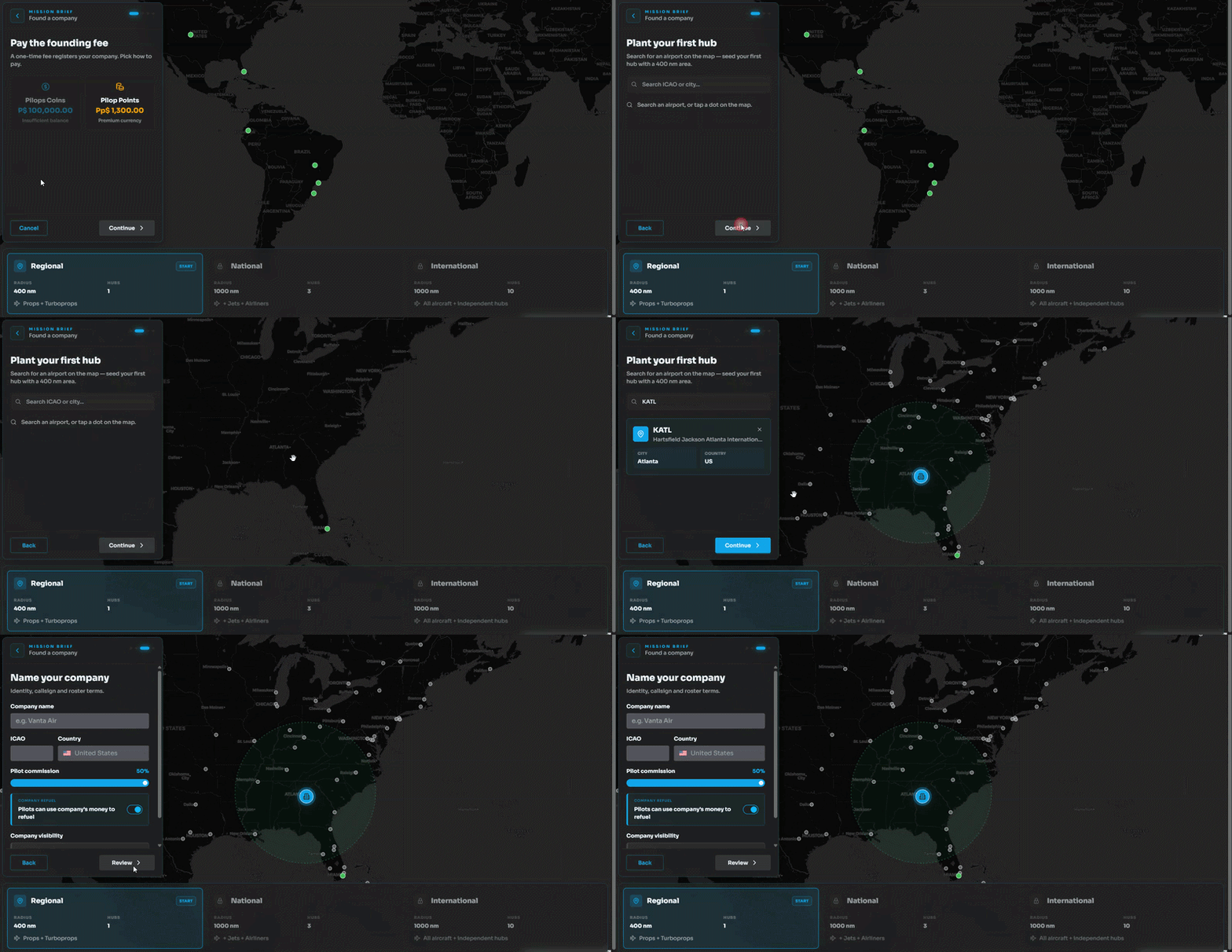
Creating a company is a different flow now, because picking your first HUB is part of founding it.
It goes in four steps: company details, first HUB, payment, confirmation. On the HUB step you get a world map, and when you select an airport we draw your operation area right there so you can see what you're committing to before you confirm. Your company country comes from the HUB you choose, so you don't type it twice.
I wanted this to feel less like filling a form and more like deciding where to plant your flag.
A new company map view
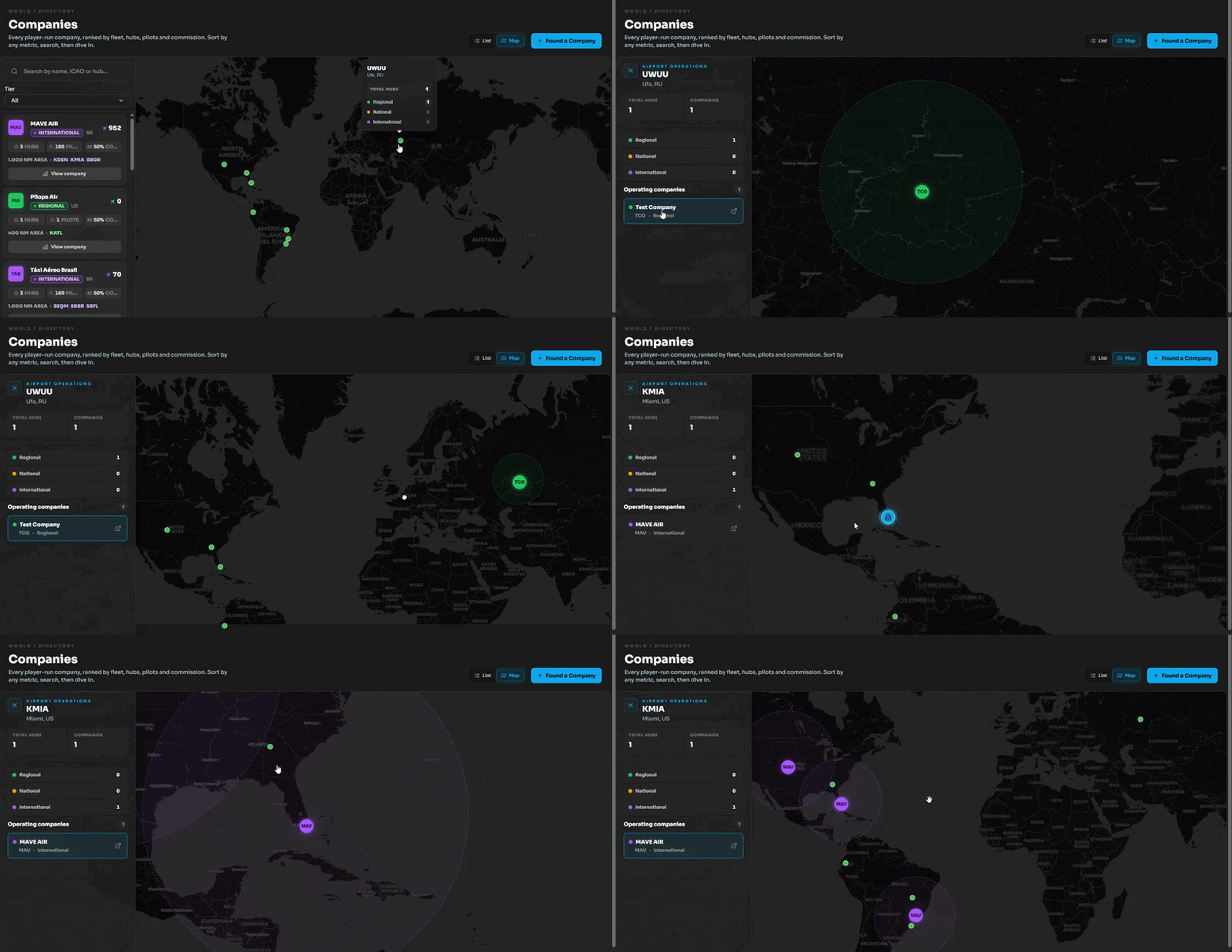
To help you find a company you would actually like to fly for, there's a new screen showing every airline's hubs spread around the world.
Migration
This is the part I really need you to read.
If you already have a company, nothing changes automatically until you create your first HUB. Your company keeps working exactly like today. The migration happens the moment that first HUB exists, and it happens all at once:
- Your old hangars are closed and the company gets refunded for them.
- You'll need to buy your hangars again in the new flow, attached to HUBs.
- The planes that were parked inside them lose their hangar and end up grounded.
- You'll need to attach your planes to the new hangars before you can fly them again.
- Putting a grounded plane back into a hangar is free, so getting your fleet flying again doesn't cost you anything.
- Planes out of the operation area can be flown, but they cannot carry cargo or passengers.
Important to say: this is a one way trip. Once your company has a HUB, there's no going back to the old flow. No undo.
So do this before August 19: open your company, look at where your planes and hangars actually are, and decide where your first HUB has to be so that most of your operation stays inside the circle.
For the first month you can migrate whenever you want. From September 21st onwards, any company that hasn't migrated yet will have its operations paused until it does.
Depending on the size of your fleet, take some time to get it in order and avoid disruptions to your operation.
Other UI Updates
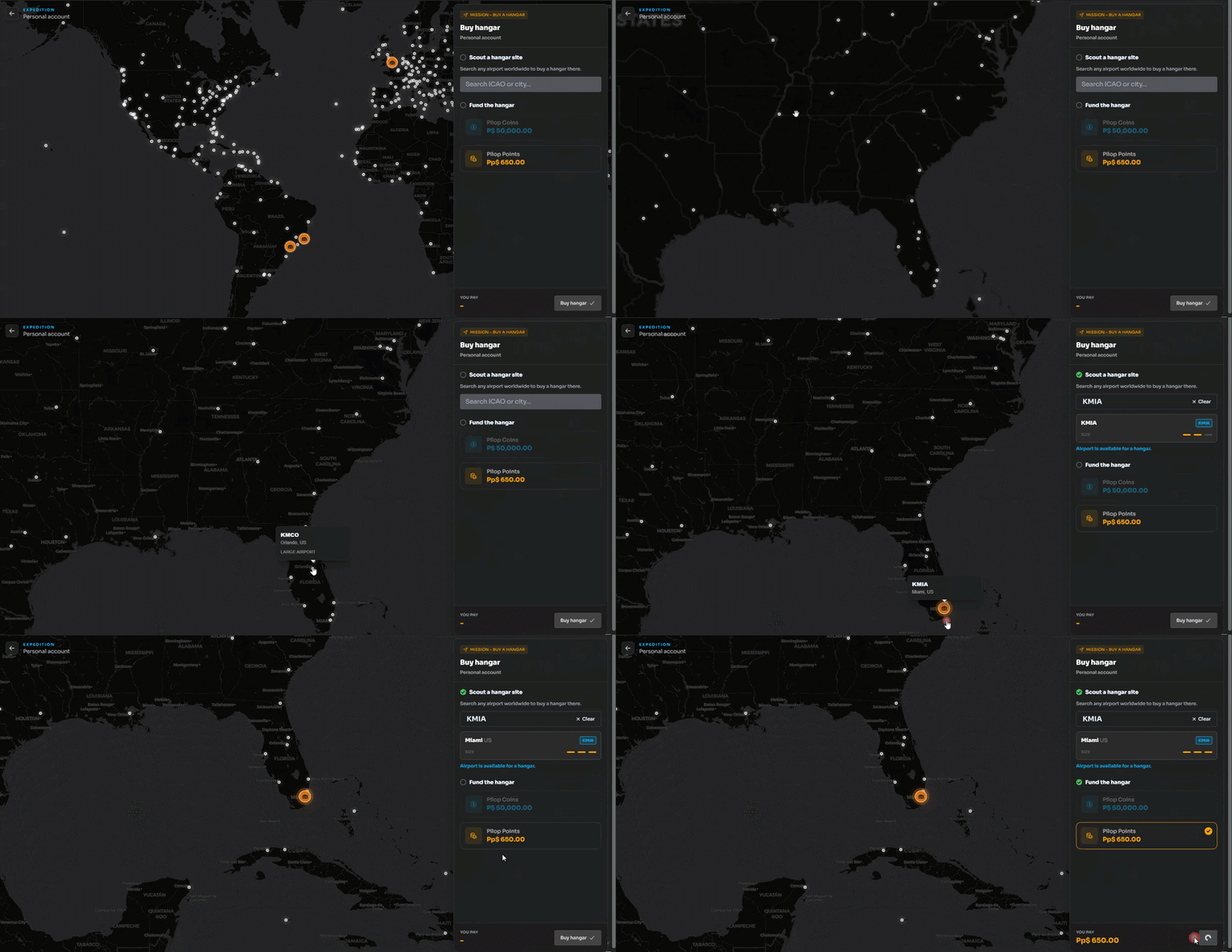
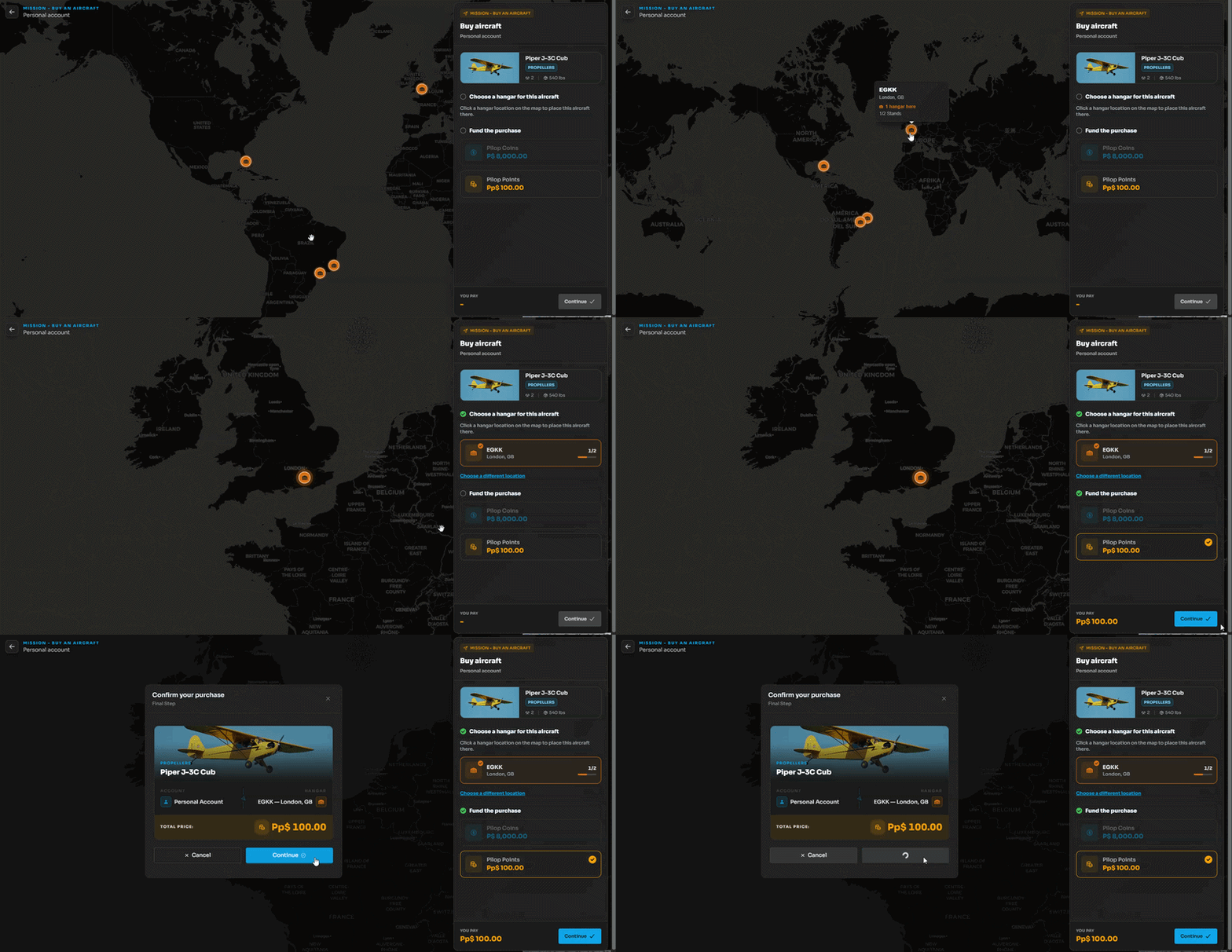
We're also modernizing our screens, and this time hangar creation and the aircraft buy and rent flows got a new life.
It's a better fit for what we're planning for the future of Pilops.
Economy & SimBrief
This one I've been wanting to do for a very long time, and I'm really happy it's finally in.
We rebuilt the data of our entire aircraft catalog against the SimBrief airframe database. Empty weight, max takeoff weight, payload, fuel capacity, seats. All of it, checked plane by plane against the same source a lot of you already open before every flight.
Until now our numbers came from wherever we could find them when each plane was added to the game, over almost two years. Some were good, some were guesses, and a few were plainly wrong. So you'd plan a leg on SimBrief, come back to Pilops, and the numbers wouldn't agree. Every time that happened it was Pilops being wrong, not SimBrief, and I never liked answering those messages.
That's over. Your OFP and your Pilops plane are reading from the same book now.
Now the honest part, because this one has teeth.
A lot of our planes were carrying more than they should. Not slightly more. The old catalog was generous in a way that quietly made cargo runs easier than they were supposed to be, and correcting it means several aircraft in your fleet will carry less than they did the day before. If you have a contract in mind that only just fit before, check it again.
This is also the kind of thing I would much rather fix now, at 4k pilots, than in two years with the whole economy sitting on top of it.
Client updates
The client is the part of Pilops nobody thinks about until it ruins an evening. This release is mostly about that: fewer ways for a good flight to end badly.
You don't lose flights to an expired session anymore.
You know the worst possible ending to a flight? Two hours in the air, a nice approach, taxi to the gate, hit save, and Pilops tells you your session expired. The flight is gone. Nothing to show for the evening.
The client now renews your access token before it expires instead of finding out after you land. That ending is gone.
Fuel burn now agrees with your EFB.
If you fly the payware aircraft with modern fuel systems, you've probably watched Pilops and the aircraft's own EFB report two different numbers for the same flight. Those systems handle fuel in ways our calculation wasn't following properly, so the burn we recorded drifted away from the burn you were actually looking at in the cockpit.
That's fixed. The fuel you spent in the cockpit is the fuel you spent in Pilops.
The G-Force alerts calmed down.
They were firing on perfectly normal simulator events, which meant the one alert that should mean something meant nothing. Now it stays quiet unless you actually did something to deserve it. Your landings are still your problem.
None of this makes a good screenshot, and none of it is a feature. But this is the layer that decides whether the flight you just spent two hours on counts or not.
New aircraft
Twelve new aircraft are landing with this update.
Every single one of them was asked for by one of you through the aircraft request form. That is the only reason this list looks the way it does. I grouped them by category, which matters more than it used to, because your company size now decides which of these you are allowed to operate.
- Turboprops ATR 42-600, Saab 340, Piper M600
- Jets Cessna Citation Sovereign+
- Airliners Bombardier CRJ 550, CRJ 700, CRJ 900 and CRJ 1000, Boeing 737-700, Boeing 737-900ER, Boeing 717, Fokker 100
All of them arrive with performance data pulled the new way, against SimBrief, so they land in the catalog already agreeing with your OFP.
If the aircraft you want isn't on the list, send it through the request form. I read every one of them, and this is what happens when people do.
That's the release.
It's a big one, and I know it asks something from you before it gives anything back. A decision about where your company lives. A fleet that needs to be put back in order. A few planes that carry less than they did last week. I wouldn't ask for any of that if I didn't think companies were worth building properly, and right now they aren't. This release is the floor we needed before we can build the rest.
Because this is a foundation, not a finished thing. HUBs, sizes and operation areas exist so the next company features have somewhere to stand, and there are a lot of them coming.
Release is on August 19. Between now and then, open your company and look at where your planes and hangars actually are, so your first HUB lands where it should. And if anything here is unclear, come ask on Discord. I'd much rather answer questions before the release than fix operations after it.
Thanks for flying with us, and for putting up with a game that keeps changing under your feet. It's changing because you're here.
See you in the skies.
Appendix: the full aircraft data changes
I said above that a lot of our planes were carrying more than they should. Rebuilding the catalog against SimBrief moved seats and fuel capacity too. It felt wrong to leave any of it as a sentence you just have to take my word for, so here is the whole thing, plane by plane.
Of the 106 aircraft in the catalog, 105 change something. The Diamond DA40NG is the only one that came out of this untouched.
Payload: 95 aircraft change. Eighty-five go down, ten go up, and 65 of them drop by 40% or more. This is the one that will change how you fly.
Seats: 46 aircraft change. Twenty-seven gain seats, nineteen lose them. The narrowbodies were the ones losing you money: the A319 was selling 122 seats where the airframe seats 145, and the MD-11 sat at 296 against 381. The Grand Caravan EX went the other way, 13 seats down to 8.
Fuel capacity: 56 aircraft change. Thirty-nine up, seventeen down. Most are small, a percent or two, and they are there for completeness. A handful were badly wrong, almost always litres recorded as pounds, which made a tank look about 40% smaller than it actually is.
What payload means here. The payload figure is how much weight the aircraft can carry in total, in pounds, and fuel comes out of that same pool. So a 737-800 with 82,306 lbs of payload spends part of it on fuel for the leg and carries cargo and passengers with what is left. That is why the numbers look smaller than the "max payload" you might find on a spec sheet: ours has to pay for the fuel too.
How to read the tables. Before → after. A dash means that field did not change.
Payload, seats and fuel
Airliners — 28 aircraft
| Aircraft | Payload (lbs) | Seats | Fuel (lbs) |
|---|---|---|---|
| Airbus A220-100 | 111,000 → 56,350 (−49%) | — | — |
| Airbus A220-300 | 123,000 → 67,250 (−45%) | — | — |
| Airbus A310-300 | 251,327 → 153,889 (−39%) | 200 → 240 | 132,939 → 133,141 |
| Airbus A319 | 128,970 → 75,482 (−41%) | 122 → 145 | 41,897 → 42,600 |
| Airbus A320 Fenix (ceo) | 134,482 → 75,443 (−44%) | — | 41,897 → 42,600 |
| Airbus A320neo | 138,450 → 76,414 (−45%) | 180 → 186 | 41,998 → 42,145 |
| Airbus A321 | 162,701 → 97,691 (−40%) | — | — |
| Airbus A330 | 385,809 → 233,021 (−40%) | — | — |
| Airbus A340-600 | 553,360 → 435,234 (−21%) | — | — |
| Airbus A350-900 | 431,445 → 278,272 (−36%) | — | — |
| Airbus A380 | 813,505 → 639,340 (−21%) | — | — |
| Airbus A400M | 310,852 → 142,199 (−54%) | 114 → 116 | — |
| ATR 72-600 | 46,296 → 20,943 (−55%) | — | — |
| Boeing 707-320C | 230,000 → 178,500 (−22%) | — | — |
| Boeing 727 Freighter | 144,000 → 107,744 (−25%) | — | — |
| Boeing 737 MAX | 145,400 → 85,640 (−41%) | — | — |
| Boeing 737-800 | 138,300 → 82,306 (−40%) | — | — |
| Boeing 747-8 | 651,000 → 501,700 (−23%) | — | — |
| Boeing 777 | 442,000 → 343,200 (−22%) | — | — |
| Boeing 787-10 Dreamliner | 425,000 → 258,773 (−39%) | — | — |
| British Aerospace 146 | 77,500 → 40,150 (−48%) | — | — |
| Douglas DC-9 | 90,700 → 41,494 (−54%) | — | — |
| Douglas MD-11 | 602,500 → 361,323 (−40%) | 296 → 381 | 258,720 → 256,900 |
| Embraer E170 | 68,123 → 36,926 (−46%) | — | — |
| Embraer E175 | 69,887 → 35,133 (−50%) | — | — |
| Embraer E190 | 90,168 → 50,687 (−44%) | — | — |
| Embraer E195 | 93,917 → 50,563 (−46%) | — | — |
| Fokker F28 Fellowship | 54,500 → 29,483 (−46%) | — | — |
Jets — 13 aircraft
| Aircraft | Payload (lbs) | Seats | Fuel (lbs) |
|---|---|---|---|
| Bombardier 35A Learjet | 18,000 → 7,990 (−56%) | — | 6,200 → 6,238 |
| Bombardier CRJ | 53,000 → 21,096 (−60%) | — | 14,300 → 14,518 |
| Cessna 750 Citation X | 36,600 → 13,969 (−62%) | — | — |
| Cessna Citation CJ3 Livtoair | 13,870 → 5,170 (−63%) | — | 4,700 → 4,710 |
| Cessna Citation CJ4 | 7,250 → 6,830 (−6%) | 11 → 10 | — |
| Cessna Citation Longitude | 39,500 → 16,111 (−59%) | 12 → 10 | — |
| Cessna Citation Mustang | 8,645 → 3,082 (−64%) | — | 2,580 → 2,568 |
| Cirrus Sf50 Vision Jet | 6,000 → 2,289 (−62%) | — | 1,650 → 2,000 |
| Cirrus Vision Jet G2 | 6,000 → 2,289 (−62%) | 5 → 6 | — |
| Embraer Phenom 100 | 10,472 → 3,790 (−64%) | 4 → 5 | 2,804 → 2,806 |
| Embraer Phenom 300E | 7,197 → 6,671 (−7%) | — | — |
| HondaJet HA-420 | 10,600 → 3,385 (−68%) | 5 → 6 | 2,845 → 2,948 |
| Pilatus PC-24 | 18,739 → 6,535 (−65%) | — | — |
Turboprops — 28 aircraft
| Aircraft | Payload (lbs) | Seats | Fuel (lbs) |
|---|---|---|---|
| Beechcraft King Air 350i | 5,100 → 5,030 (−1%) | 9 → 12 | 3,611 → 3,600 |
| Beechcraft King Air B200 | 4,217 → 3,970 (−6%) | 8 → 9 | — |
| Beechcraft Model 18 | 8,727 → 2,980 (−66%) | 6 → 8 | 1,650 → 1,236 |
| Beechcraft Starship | 14,900 → 4,815 (−68%) | 7 → 6 | 3,780 → 3,752 |
| Britten-Norman BN2 Islander | 6,600 → 2,356 (−64%) | — | 845 → 780 |
| Britten-Norman BN2A Trislander | 10,000 → 4,158 (−58%) | — | 1,193 → 1,110 |
| Cessna 208 B Grand Caravan EX | 3,657 → 4,006 (+10%) | 13 → 8 | 2,211 → 2,265 |
| Cessna 408 Skycourier | 12,725 → 6,675 (−48%) | — | — |
| Cessna F406 Caravan II | 9,850 → 4,327 (−56%) | 14 → 12 | — |
| Curtiss C-46 Commando | 56,000 → 14,331 (−74%) | 46 → 40 | — |
| Daher TBM 930 | 2,825 → 2,765 (−2%) | 7 → 6 | 2,017 → 1,957 |
| De Havilland Canada DHC-4 Caribou | 28,500 → 10,238 (−64%) | 40 → 32 | 11,000 → 4,980 |
| DHC-6 Twin Otter | 5,000 → 4,995 (−0.1%) | 20 → 16 | 2,100 → 3,000 |
| Douglas DC-3 | 25,200 → 10,445 (−59%) | 30 → 26 | 4,825 → 4,932 |
| Douglas DC-6 | 97,200 → 40,802 (−58%) | 50 → 68 | 31,000 → 31,637 |
| Embraer 121 Xingu | 12,500 → 4,300 (−66%) | 8 → 9 | — |
| Embraer Emb-110 Bandeirante | 13,007 → 5,092 (−61%) | — | — |
| Fokker F27 | 13,500 → 18,214 (+35%) | 50 → 52 | 5,160 → 9,100 |
| Fokker F50 | 12,100 → 18,169 (+50%) | 48 → 50 | 5,135 → 9,100 |
| King Air C90GTX | 10,485 → 3,564 (−66%) | — | — |
| Mitsubishi MU-2 | 11,575 → 3,475 (−70%) | 10 → 6 | — |
| Piaggio P180 Avanti | 12,100 → 3,725 (−69%) | 9 → 7 | 2,800 → 2,802 |
| Pilatus PC-12 | 4,000 → 4,759 (+19%) | 8 → 9 | — |
| Piper PA-46-500TP | 5,092 → 1,481 (−71%) | — | 1,140 → 1,139 |
| Shorts SD3-30 | 22,900 → 8,700 (−62%) | 30 → 33 | — |
| Shorts SD3-60 | 27,099 → 11,203 (−59%) | 39 → 36 | 3,859 → 3,840 |
| Socata TBM 850 | 7,394 → 2,765 (−63%) | 5 → 6 | 1,947 → 1,957 |
| Sws Kodiak 100 | 7,255 → 3,480 (−52%) | 10 → 9 | — |
Propellers — 36 aircraft
| Aircraft | Payload (lbs) | Seats | Fuel (lbs) |
|---|---|---|---|
| A2A Aerostar 600 | 5,500 → 1,420 (−74%) | 6 → 5 | 1,102 → 993 |
| Beechcraft B58 Baron | 1,559 → 1,435 (−8%) | — | — |
| Beechcraft B60 Duke | 1,928 → 2,580 (+34%) | — | 852 → 1,212 |
| Beechcraft Baron B55 | 5,100 → 1,864 (−63%) | 5 → 6 | 672 → 636 |
| Beechcraft Bonanza A36 (Black Square) | 1,245 → 1,455 (+17%) | — | 348 → 445 |
| Beechcraft Bonanza F33A | 3,400 → 1,163 (−66%) | — | — |
| Beechcraft Bonanza G36 | 1,050 → 1,455 (+39%) | — | 480 → 445 |
| Beechcraft Bonanza V35 | — | 3 → 5 | 444 → 294 |
| Beechcraft C24R Sierra | 2,750 → 669 (−76%) | 5 → 3 | 338 → 359 |
| Beechcraft D17 Staggerwing | — | — | 677 → 1,074 |
| Cessna 170B | 2,200 → 980 (−55%) | — | — |
| Cessna 172 Skyhawk | 867 → 819 (−6%) | — | — |
| Cessna 182 | 3,100 → 1,130 (−64%) | — | — |
| Cessna 310R | 5,500 → 2,142 (−61%) | 4 → 5 | 840 → 980 |
| Cessna 337 Skymaster II | 4,630 → 1,975 (−57%) | 6 → 5 | 888 → 607 |
| Cessna 404 Titan | 8,400 → 3,588 (−57%) | 8 → 9 | 2,064 → 3,200 |
| Cessna 414A | 6,750 → 2,154 (−68%) | 5 → 7 | 2,132 → 1,380 |
| Cessna T210N Centurion II | — | — | 341 → 540 |
| Cirrus SR22T G6 | 3,600 → 1,252 (−65%) | 4 → 3 | 552 → 621 |
| De Havilland DHC-2 Beaver | 2,100 → 2,139 (+2%) | 6 → 4 | 800 → 1,000 |
| Diamond DA42 | 4,407 → 1,276 (−71%) | 3 → 4 | — |
| Diamond DA62 | — | — | 534 → 596 |
| GippsAero GA8 Airvan | — | — | 340 → 540 |
| Kitfox Series 5 | 750 → 669 (−11%) | — | 102 → 162 |
| Mooney M20R | — | — | 337 → 534 |
| PA-24-250 Comanche | 3,200 → 1,310 (−59%) | 3 → 4 | 360 → 540 |
| PA-34 Seneca | 4,570 → 1,747 (−62%) | 5 → 6 | 581 → 738 |
| Piper J-3C Cub | — | — | 46 → 72 |
| Piper PA-24 Comanche | 1,200 → 1,310 (+9%) | 3 → 4 | 360 → 540 |
| Piper PA-28 Arrow III | 2,750 → 1,148 (−58%) | — | — |
| Piper PA-30 Twin Comanche | 3,725 → 1,390 (−63%) | — | — |
| Piper PA-44 Seminole | 3,800 → 1,446 (−62%) | — | — |
| RV-10 | — | — | 227 → 360 |
| Tecnam P2006T MKII | — | — | 200 → 322 |
| Tecnam P2010 | — | — | 240 → 378 |
| Wilga (PZL-104) | 882 → 1,036 (+17%) | — | 390 → 619 |
One last thing
If you find a number here that does not match what you know about an aircraft you actually fly, tell me. Every correction on this list started with someone noticing something was off, and the whole point of moving to SimBrief is that from now on the two of us can check the same book.